La Terre est ronde!
Vatican


Découvrir et planifier
Quand partir
You can visit the Vatican in any season. The two places opened to tourists, the Vatican Museum and St. Peter's Basilica, are covered. However, to enjoy Rome, you can consult the page about Italy.
Dangers et désagréments
Santé
The Vatican being mainly composed of St. Peter's Basilica and the Vatican Museums, there is no real health problem, except for agoraphobia. For guidelines on general health you can refer to those on Italy.
Livres et références


Récit de voyage
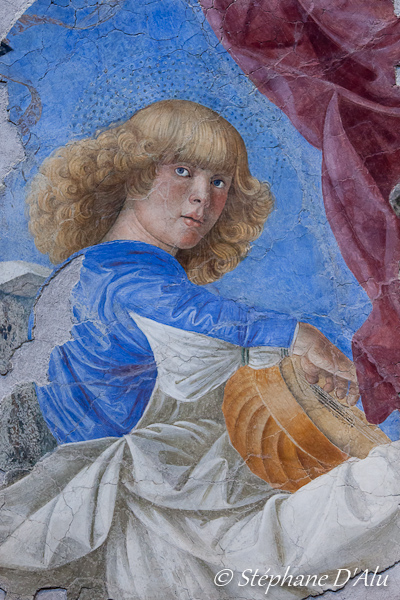
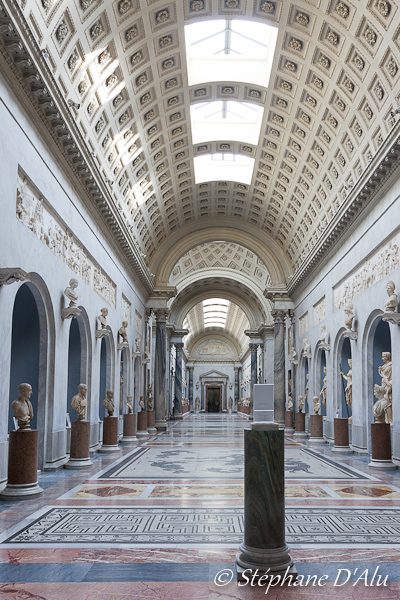
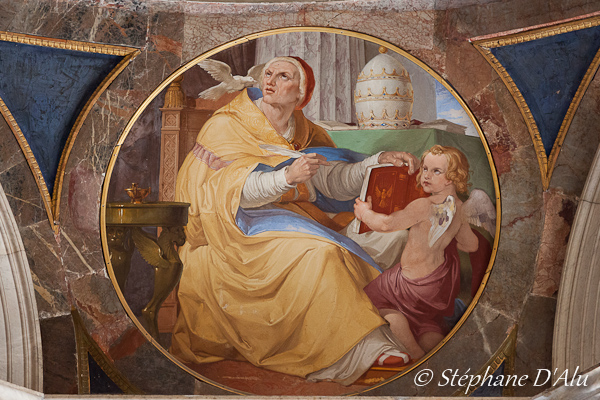
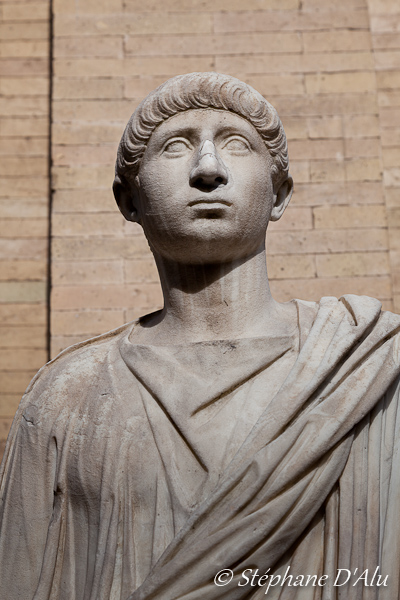
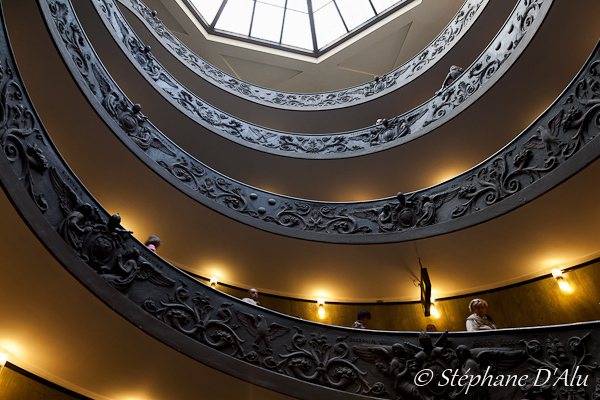
We wake up at 6:30... well, I'd rather say 5:30. We were putting
the clocks back during the night and I had forgotten this detail. We go back to
sleep
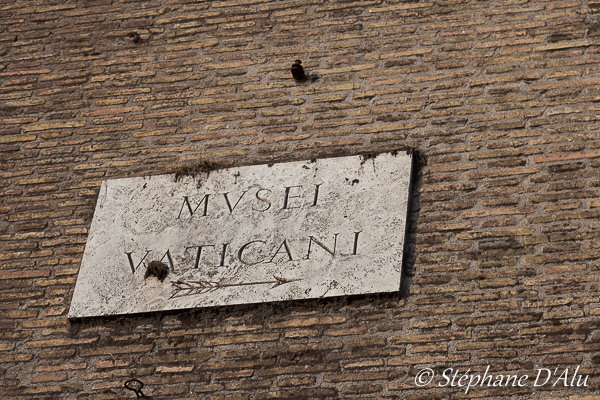
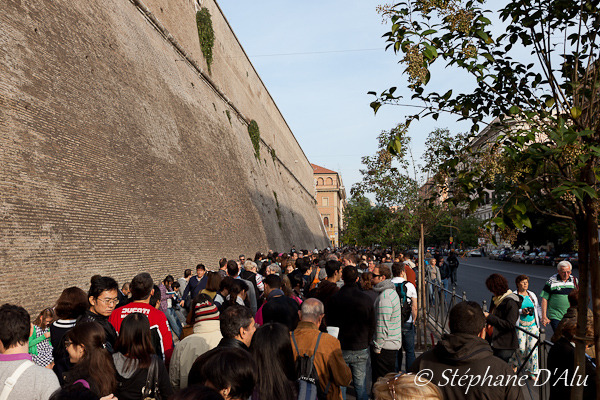
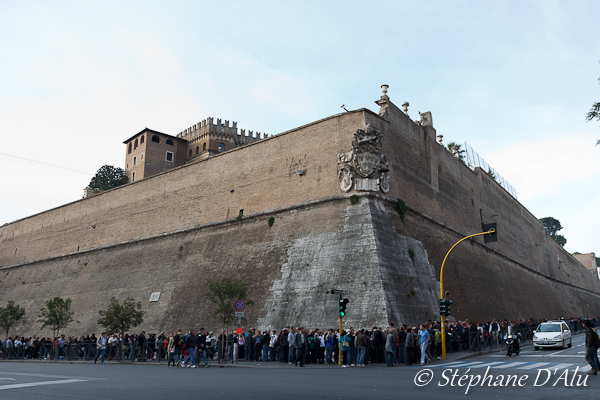
for one hour, but I only manage to doze. When we arrive near
the Vatican 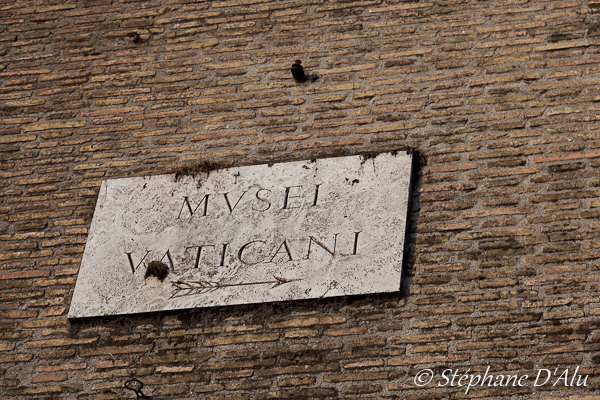
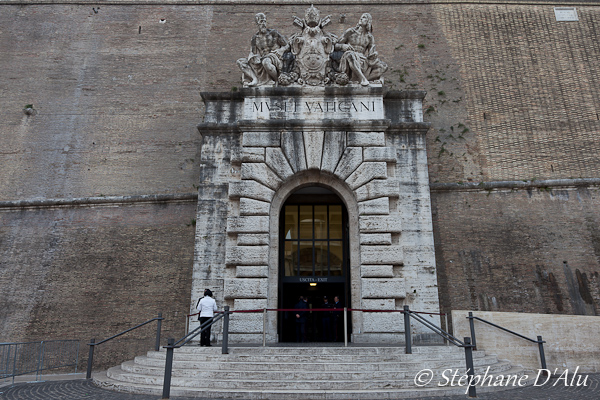
After that Steph and Nico were forced to leave their bags in
the cloakroom, we hurry to see the Sistine
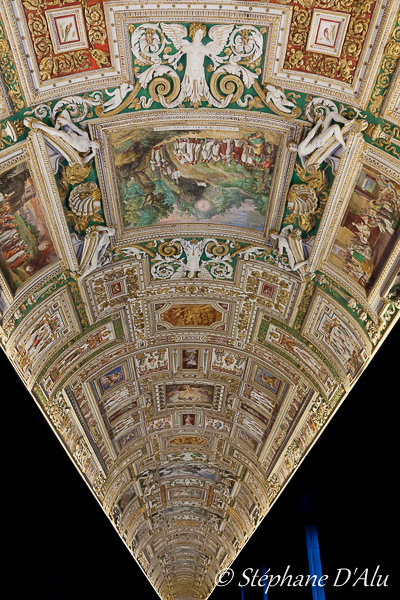
Chapel. We take a short way and walk quickly through the rooms
(gallery of tapestries, gallery of maps, ...) that lead to it.
Although the chapel is beautiful, we are a little disappointed.
Actually, we didn't know that the famous fresco The Creation
of Adam
by Michelangelo was only a part of the fresco among
others. Steph didn't think the chapel was half buried
and I imagined it more like a church.
Photos are prohibited but we quietly steal some shots. I dare
not too much because supervisors have sharpen eyes and piercing
ears and go into the crowd to remember that pictures should not
be taken.
The persons next to Steph and Nico are caught red-handed, forcing Steph
to stop his attempts. We'll learn later that the photography ban
is due to the financial participation of Nippon TV
in the restoration of the ceiling as they got in return the rights
to exploit the restored work.
We are leaving through the same door that we took to enter when
a guard is stopping us and telling that we must go down, the
entrance of the chapel being in the middle of a stairway.
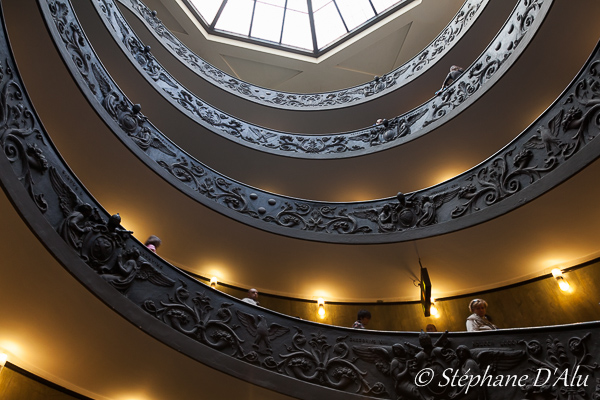
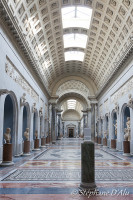
We leave the Pio-Clementine museum by following the fast itinary.
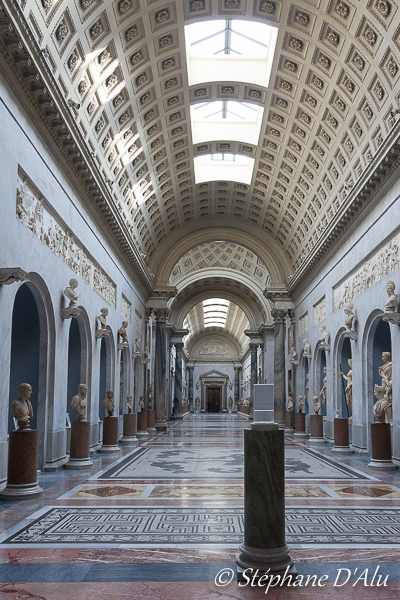
We got a glimpse of the New arm gallery
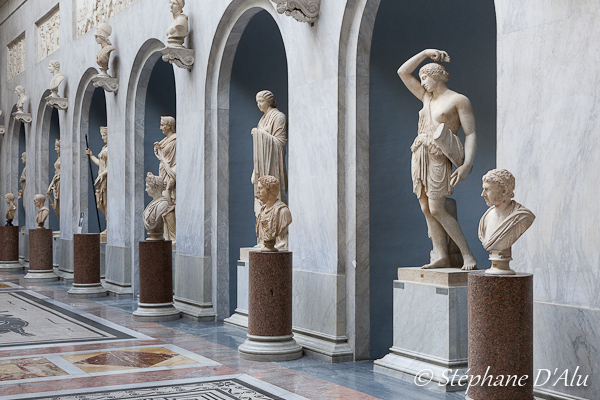
We will have to follow again the same itinary
to see all the rooms dedicated to Raphael. But for now, we
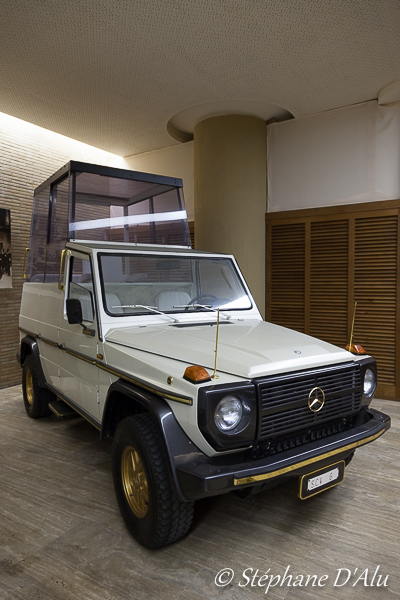
will see the papal cars in the Carriage pavilion
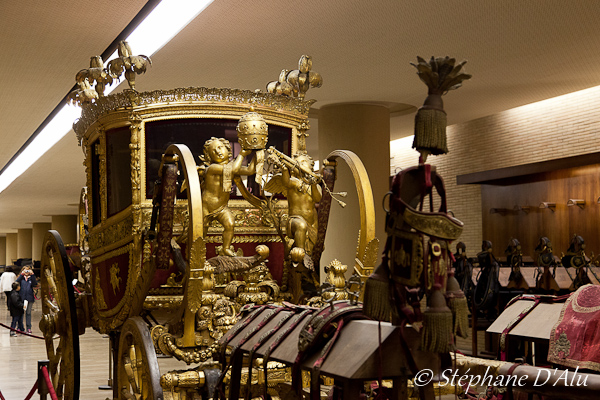
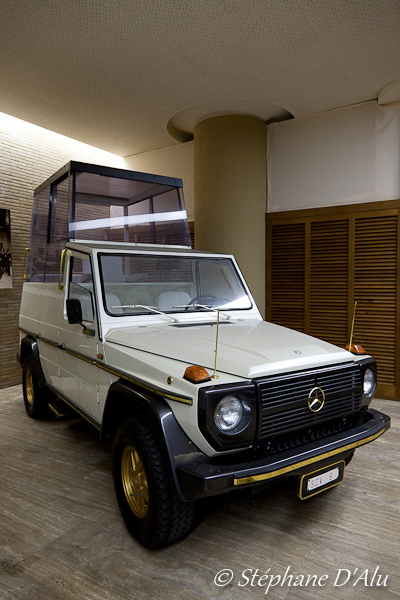
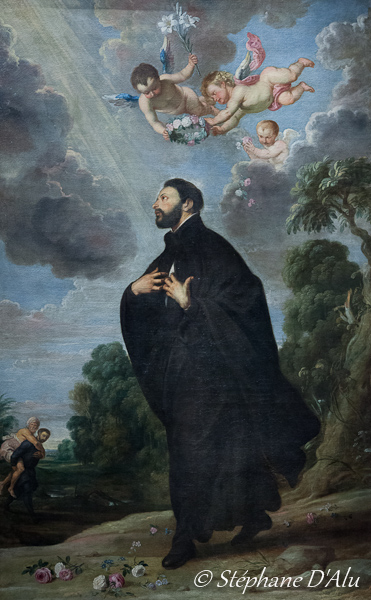
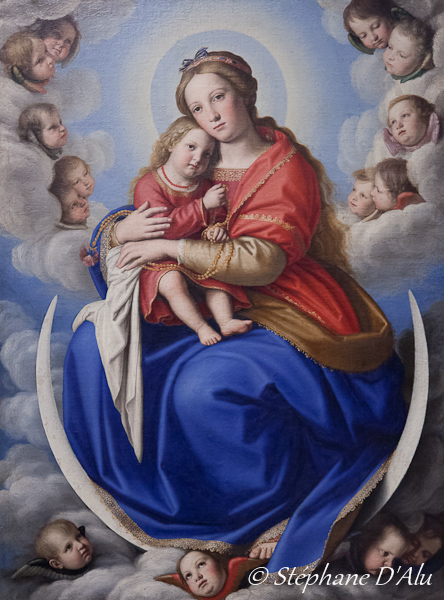
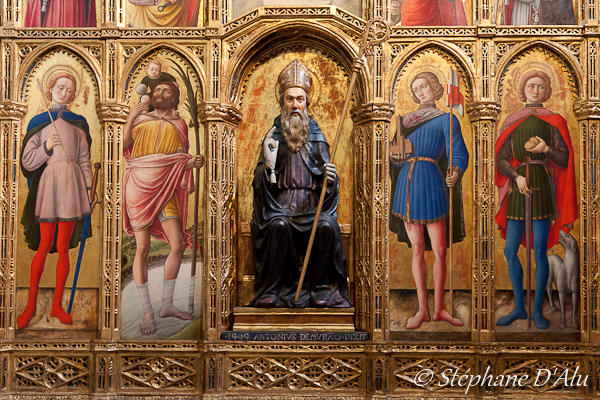
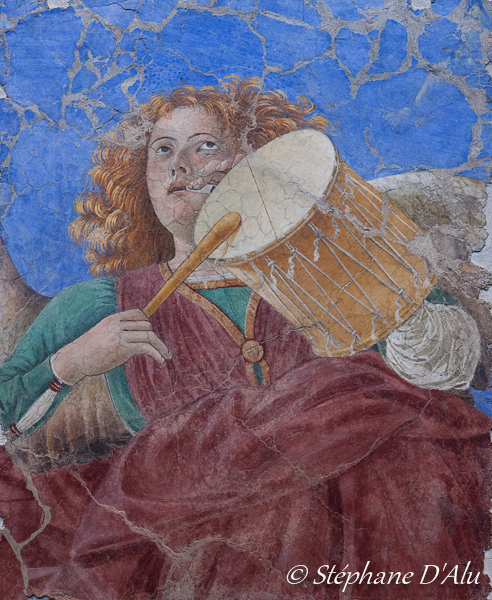
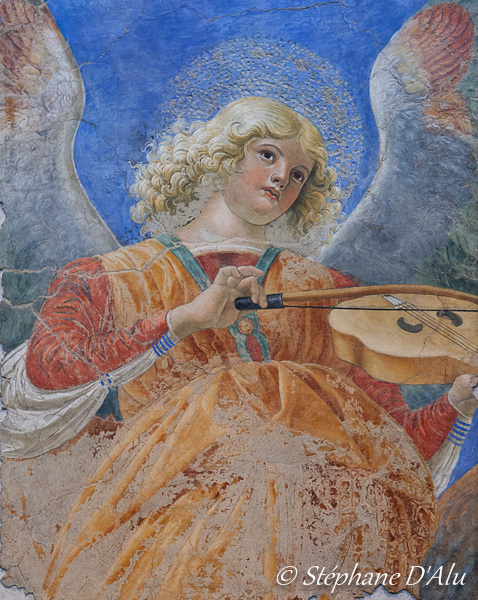
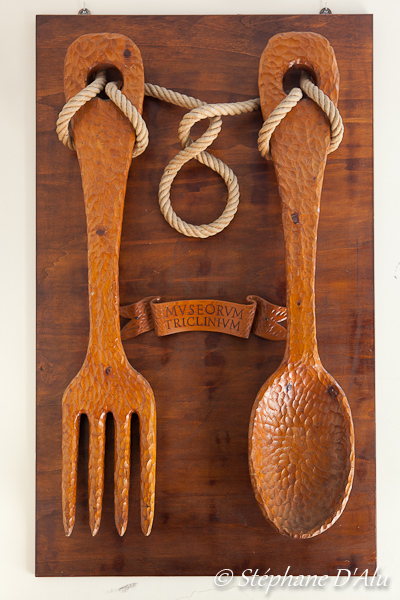
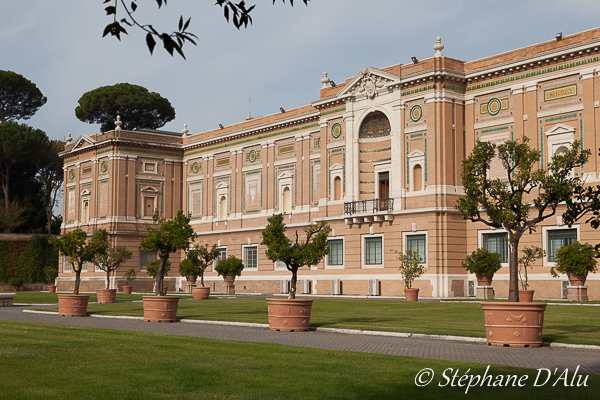
Vatican Gardens
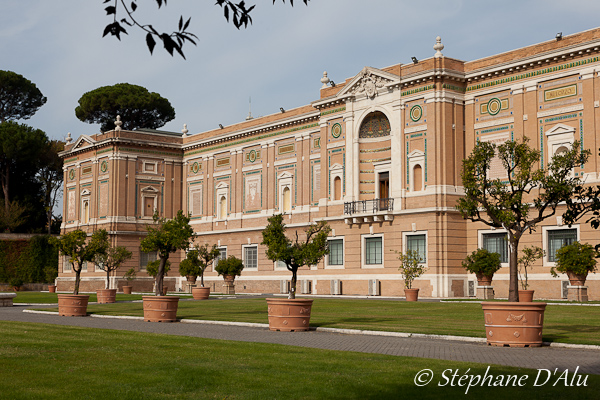
We want to find the Raphael rooms , so we head back
again to the stairs. But instead of taking the short way, we have
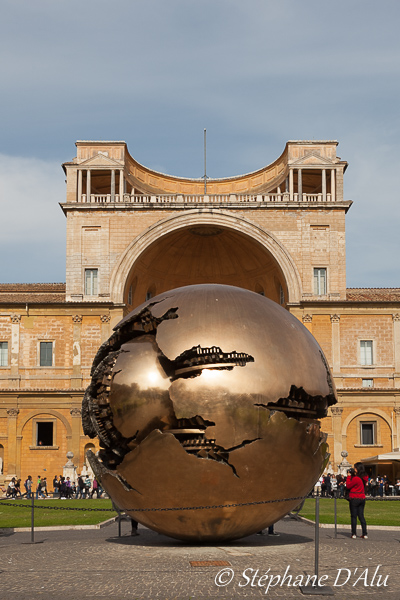
to cross a large courtyard, the Court of the Pigna
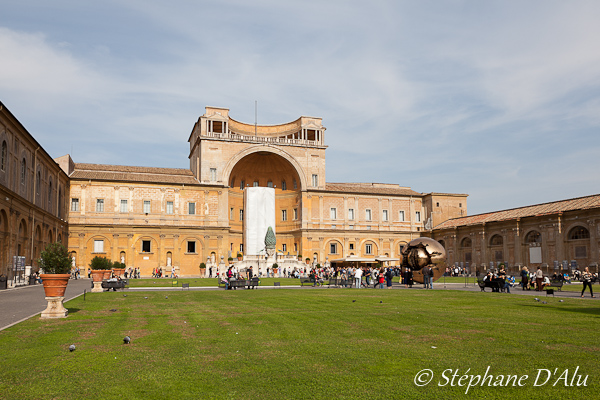
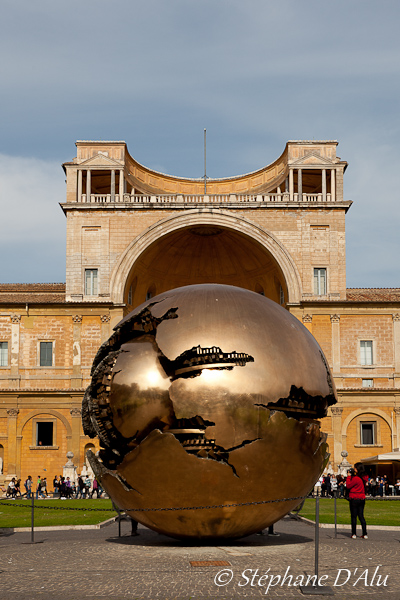
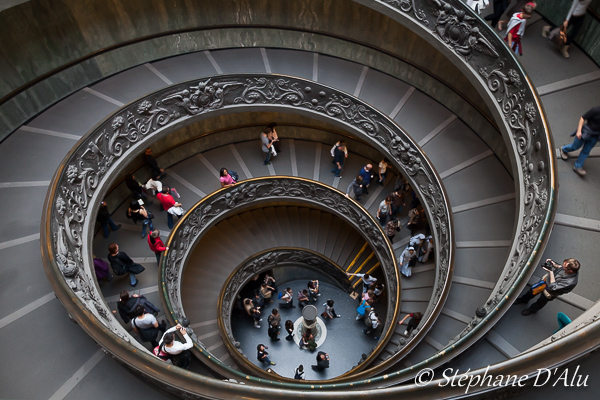
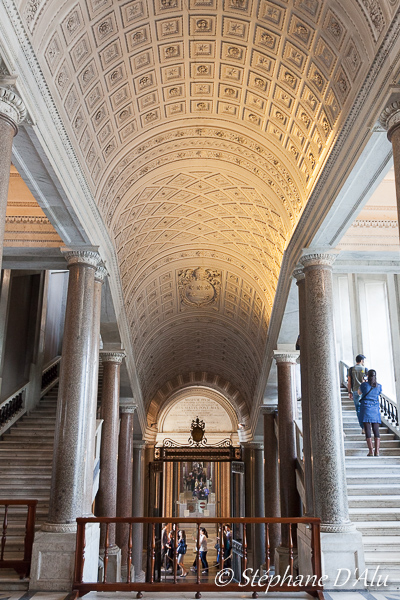
Finally, after half an hour, we are able to enter, we climb some
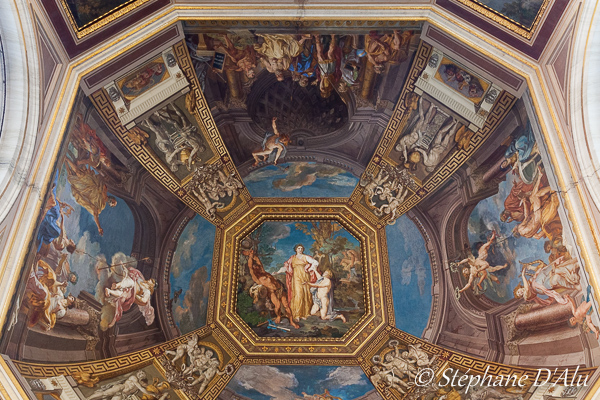
stairs and arrive in the octogonal courtyard
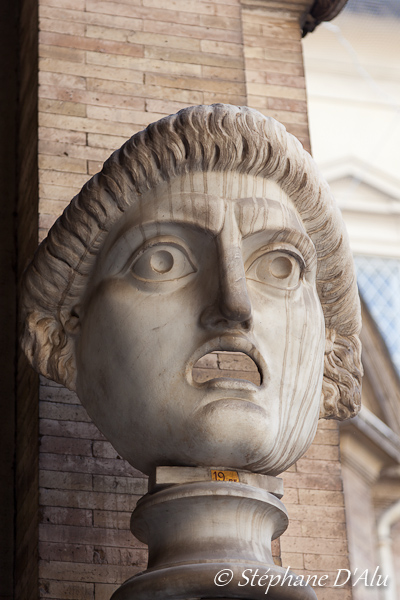
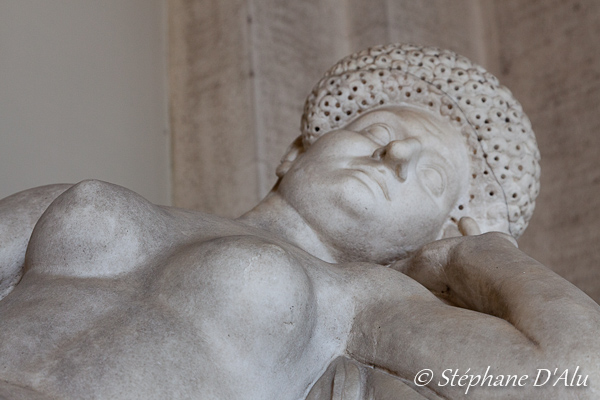
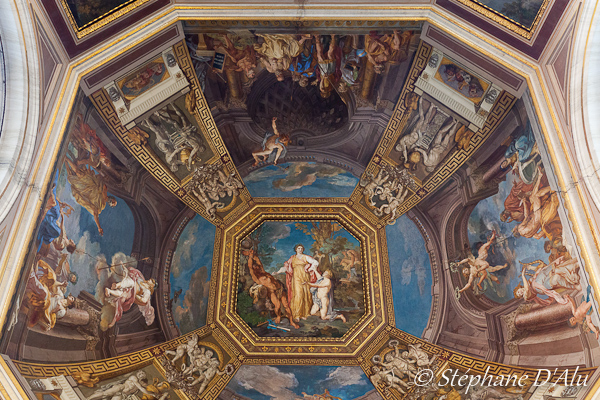
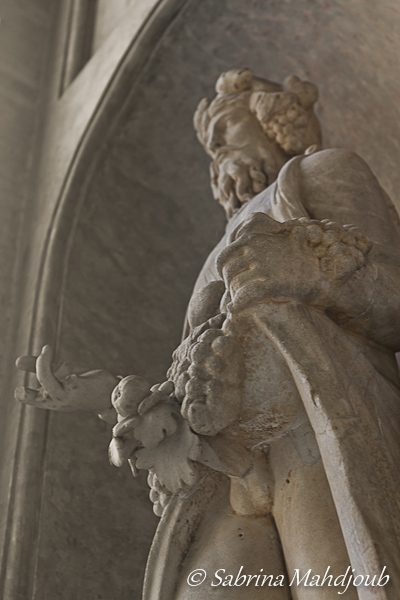
Round
room
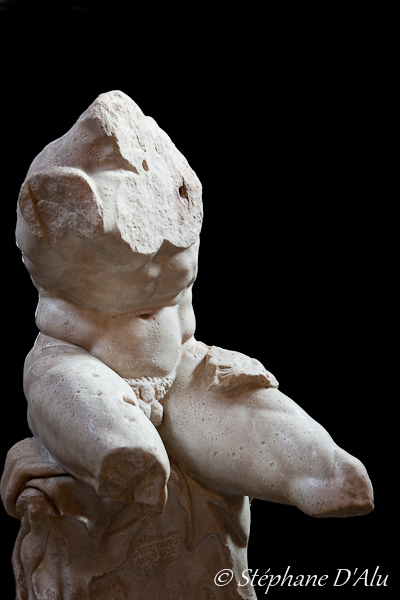
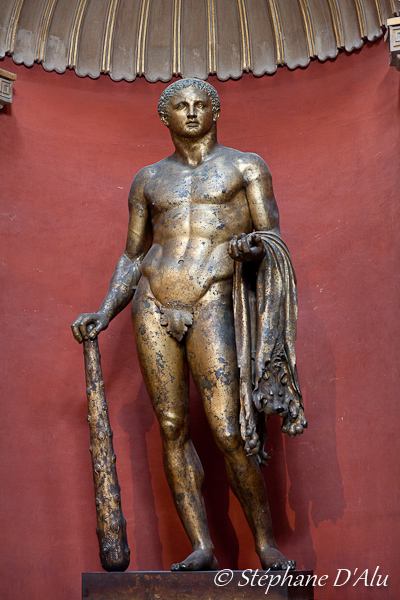
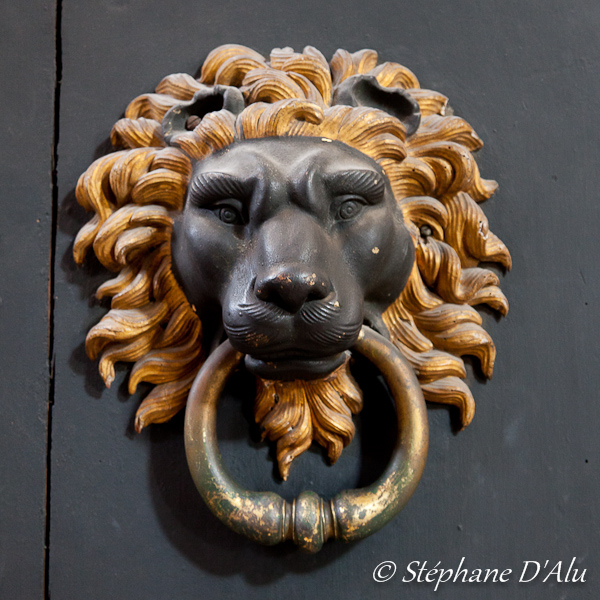
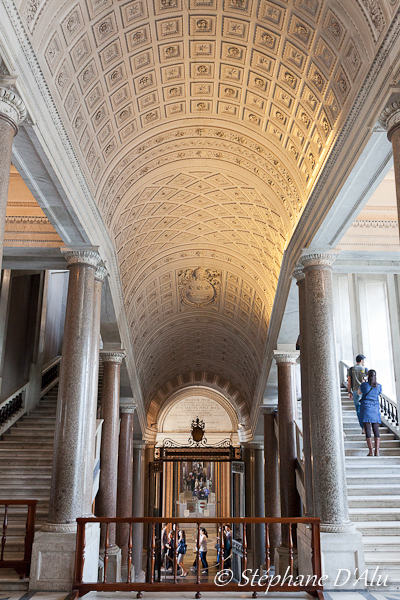
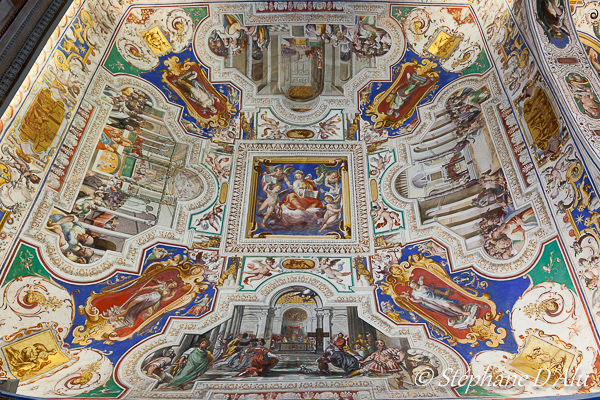
We continue on the gallery of candelabra
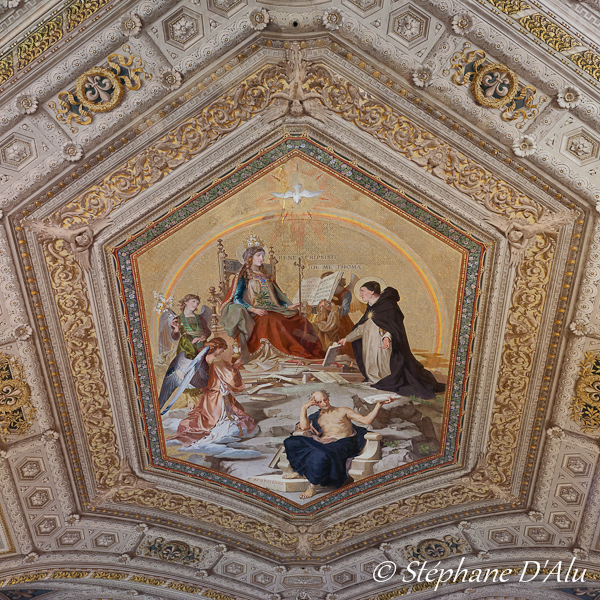
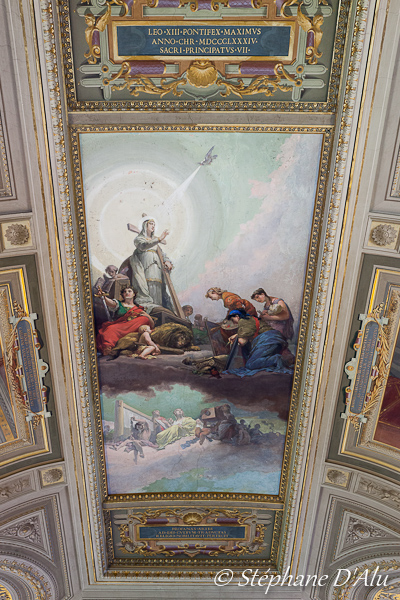
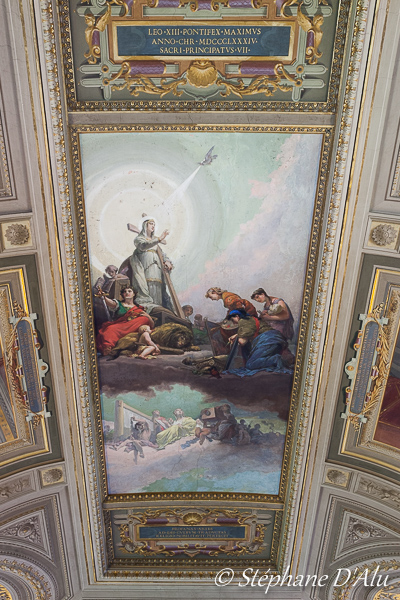
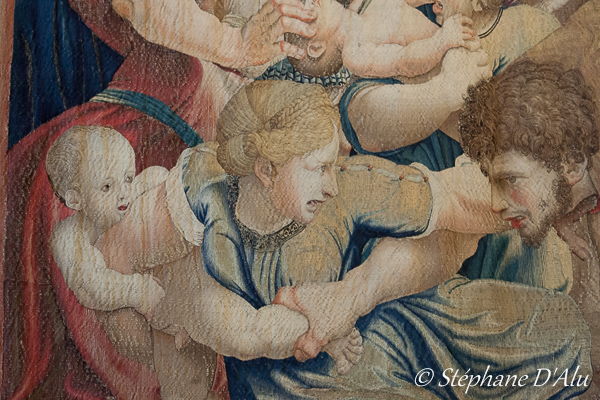
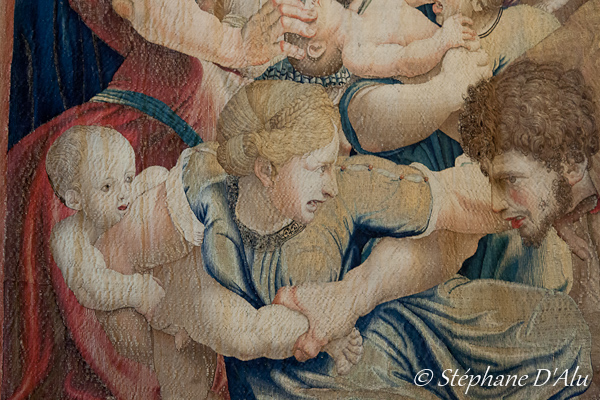
gallery of tapestries
, which, as its name suggests, contains
tapestries made by the Pieter van Aelst workshop according to
cartoons from Raphael students. There is, in particular, a
depiction of the Massacre of the Innocents
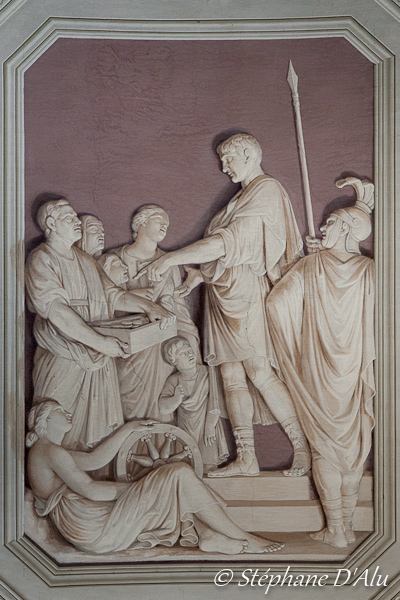
gallery of maps
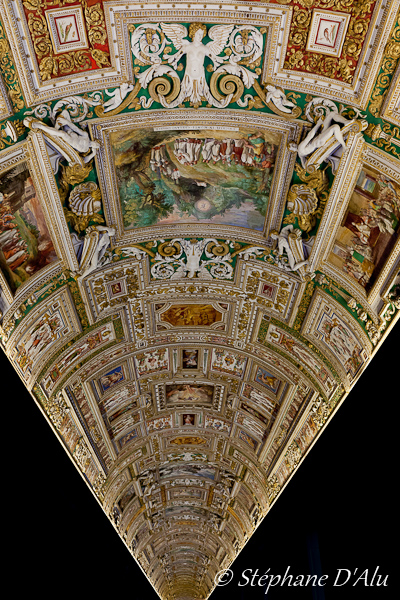
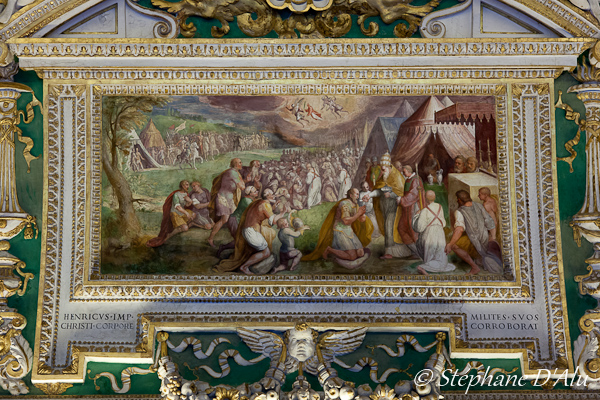
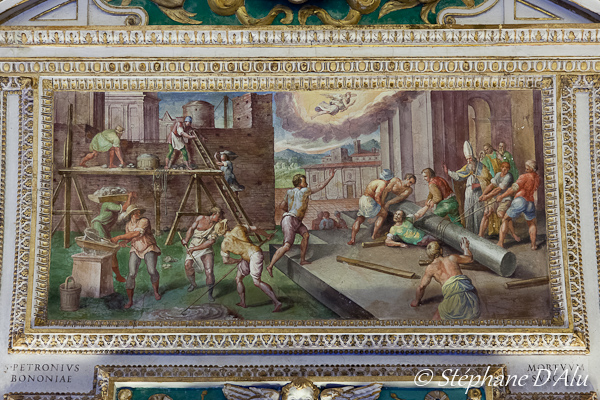
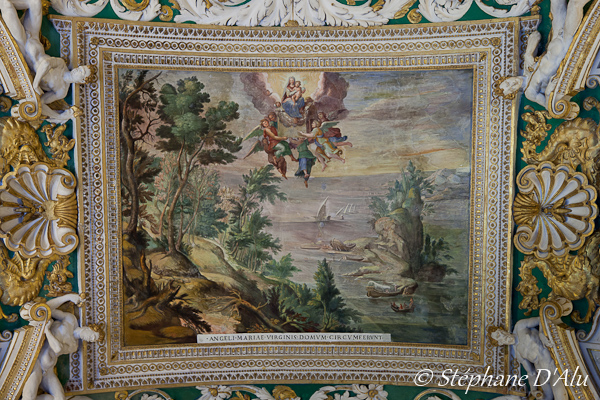
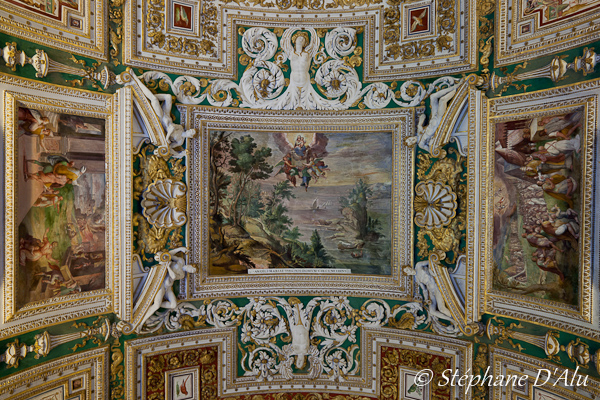
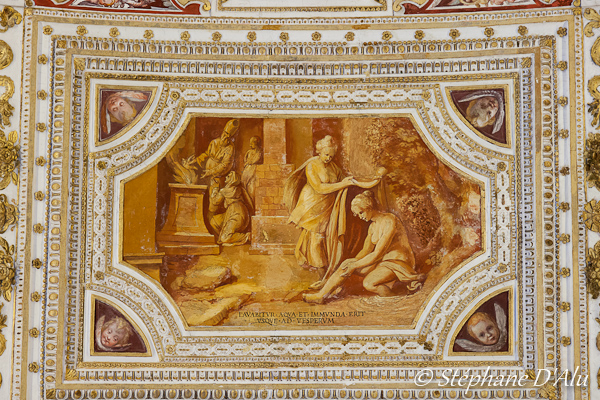
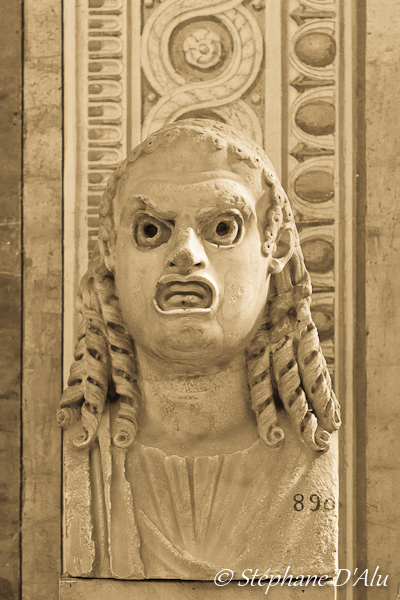
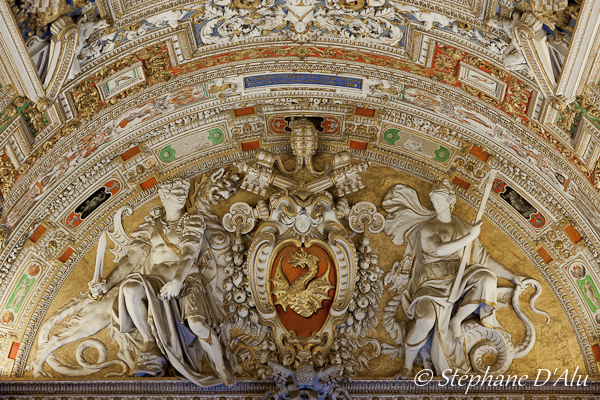
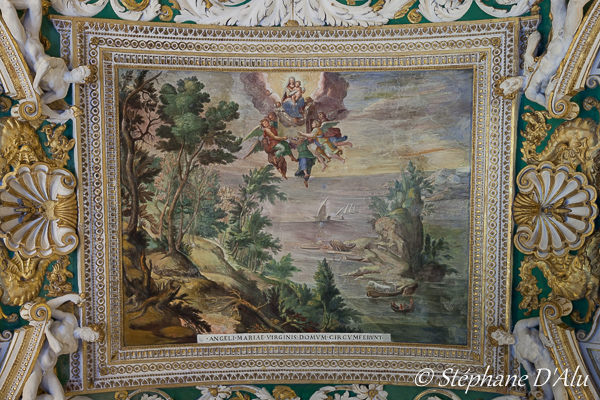
We now turn to the Sobieski room
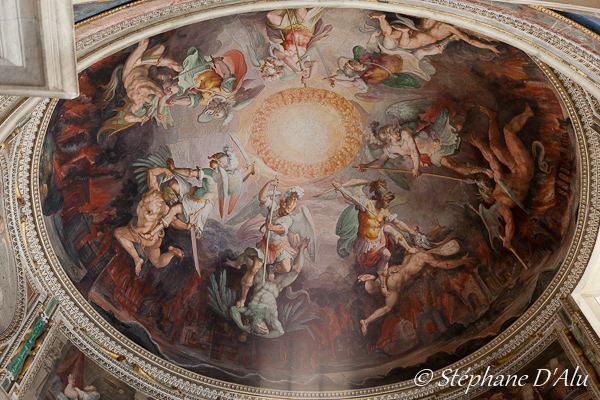
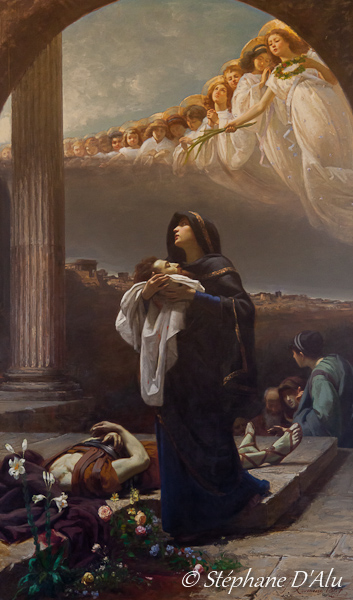
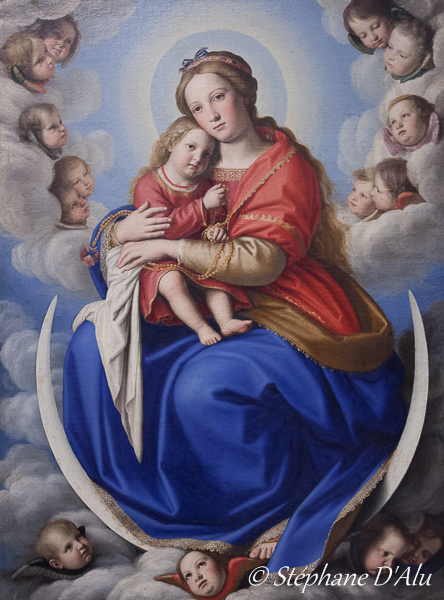
Room of the
Immaculate Conception
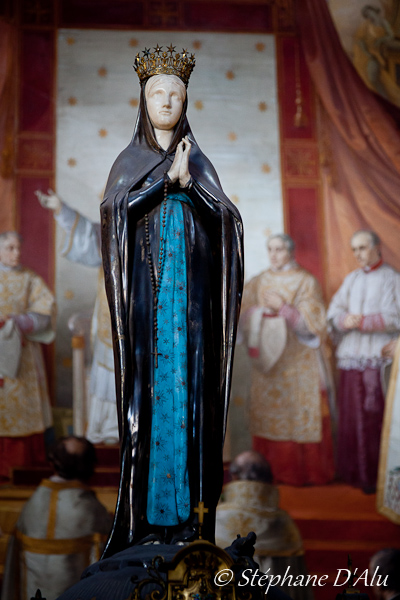
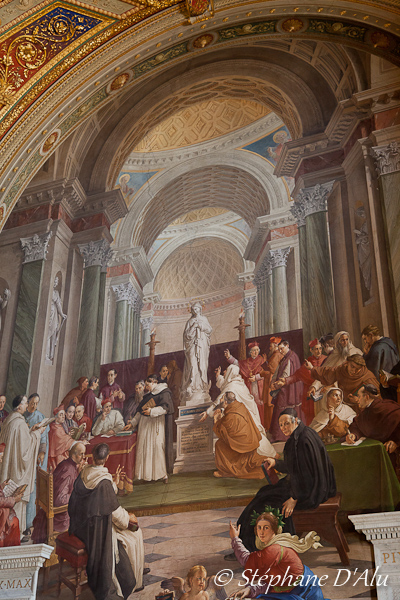
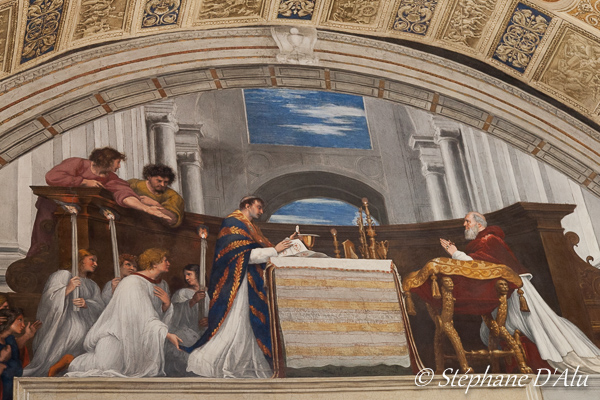
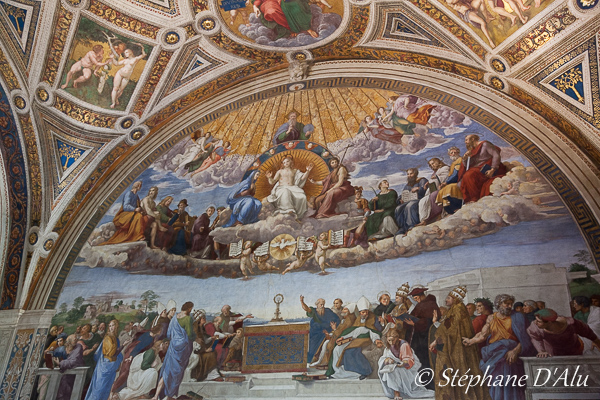
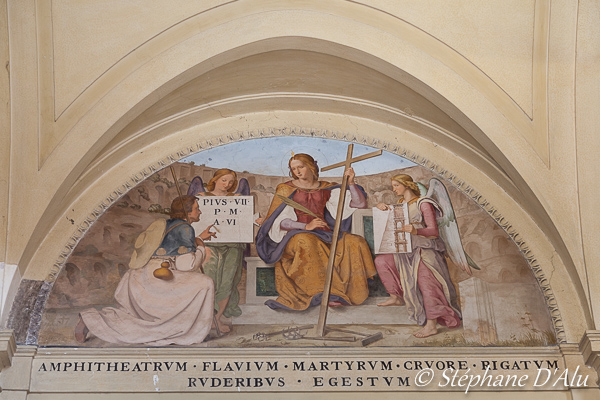
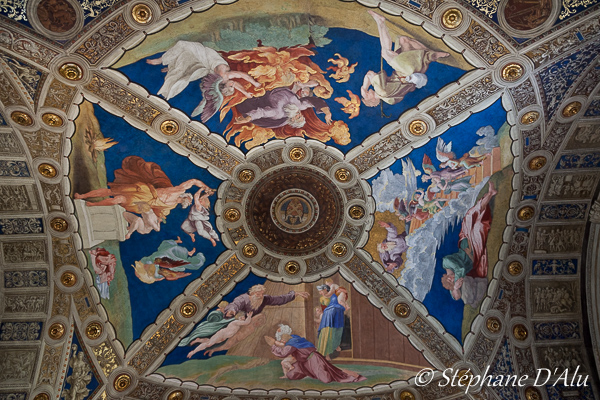
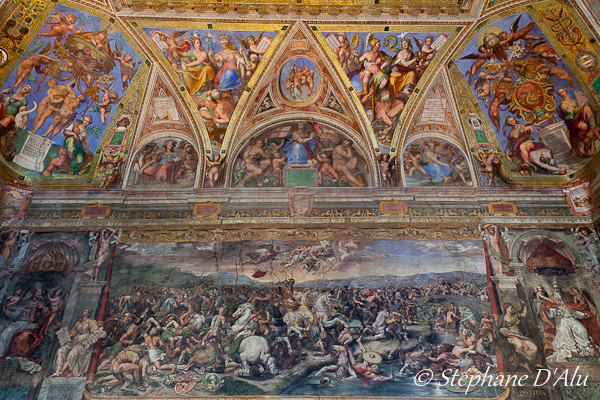
Finally, we reach the rooms devoted to Raphael: The Room of
Constantine Constantin
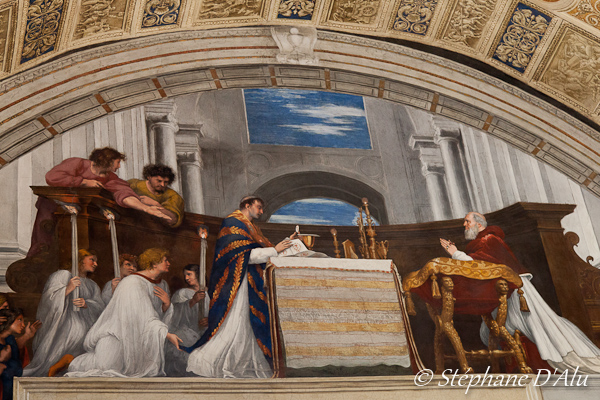
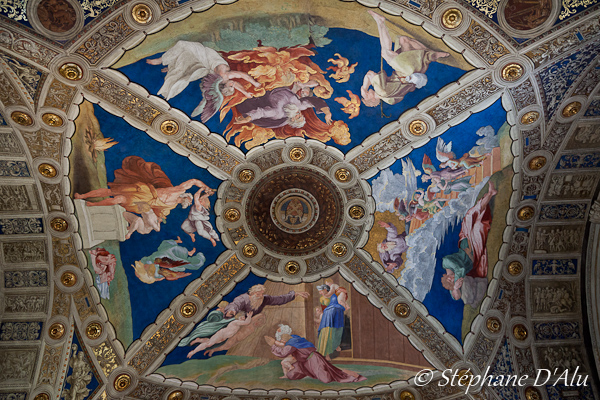
Room of Heliodorus
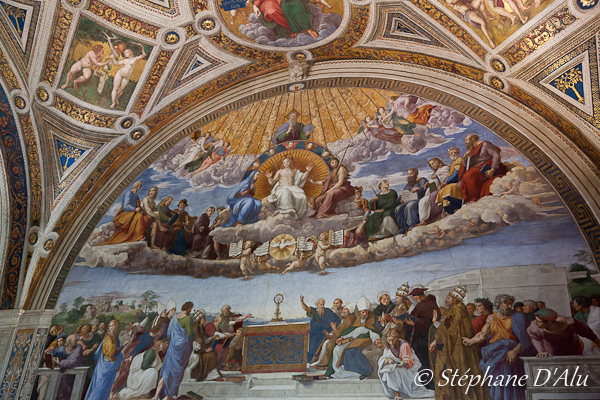
Signature room
Room of the Fire in the Borgo
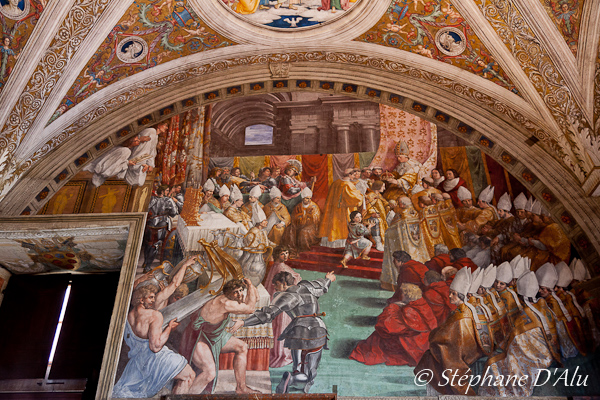
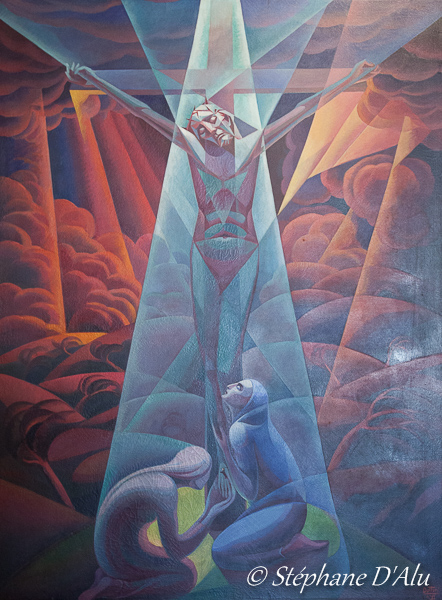
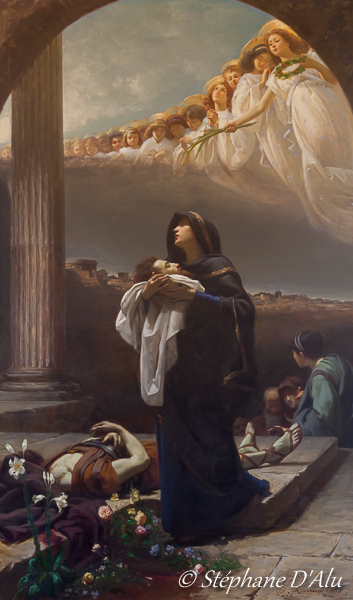
There is a change in style, we are now in front of the
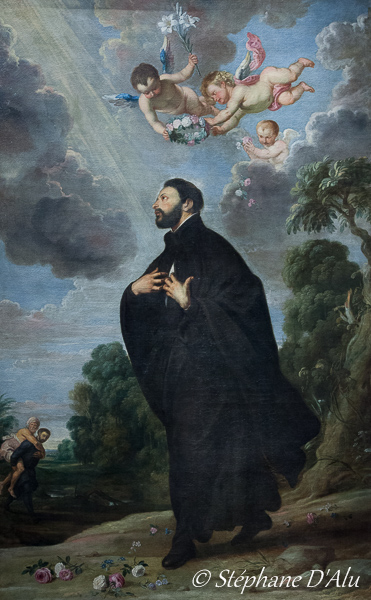
collection of modern religious art 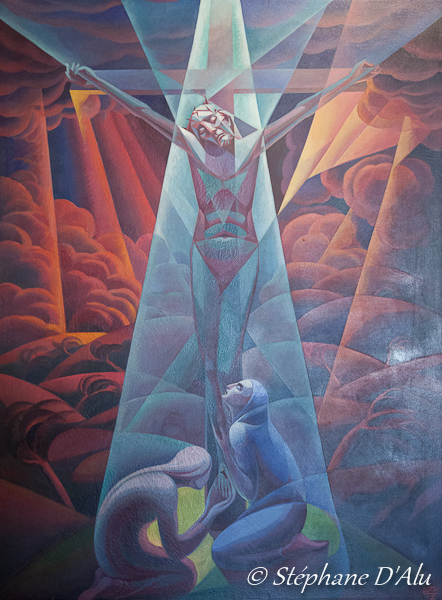
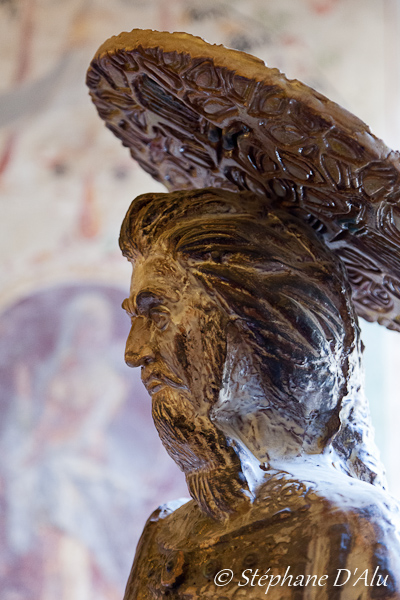
We are back in the Sistine Chapel, the mandatory waypoint as there is only one itinary. And there, we have a pleasant surprise because there are so many people and the guards are so busy to get all the visitors out because it's almost closure time that everyone takes pictures without being bothered. We also take pictures.
On the way out, we walk through the Vatican Library
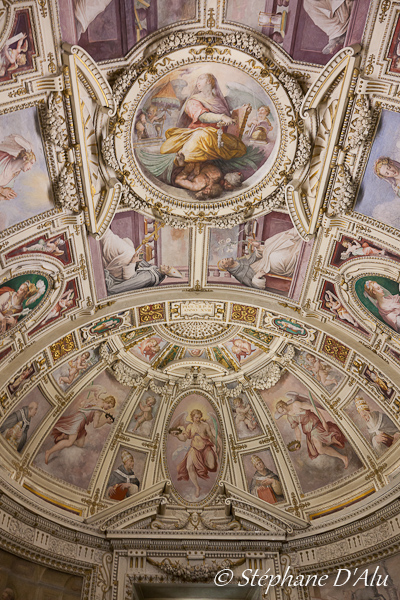
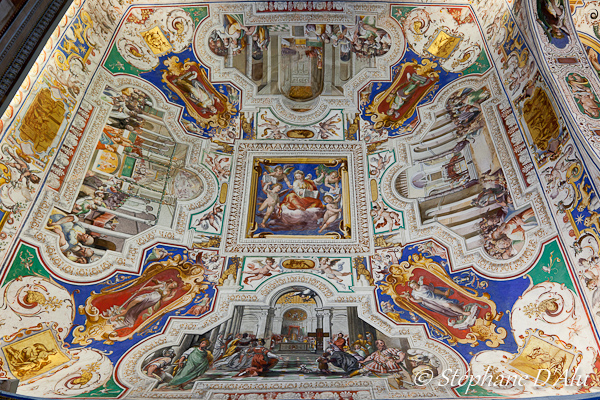
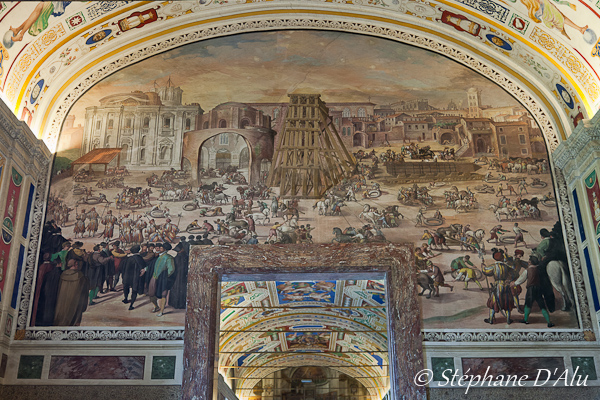
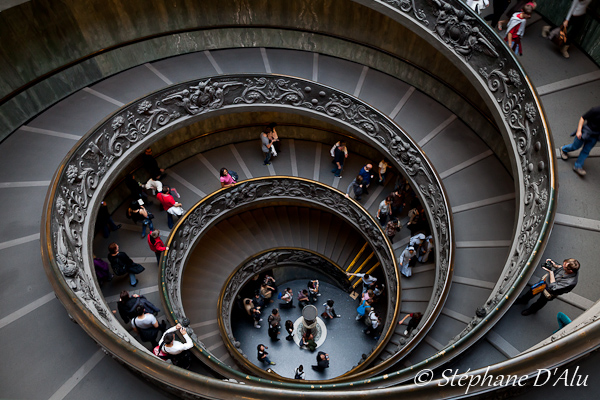
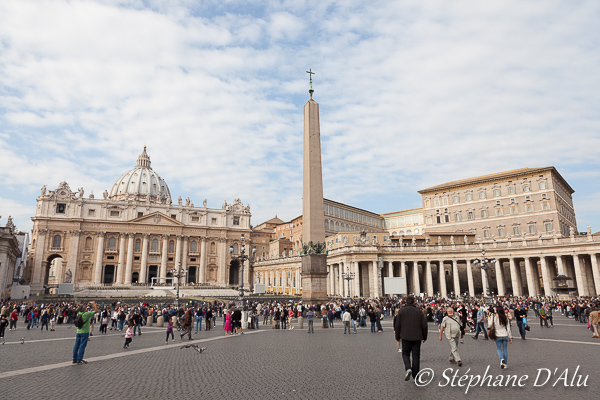
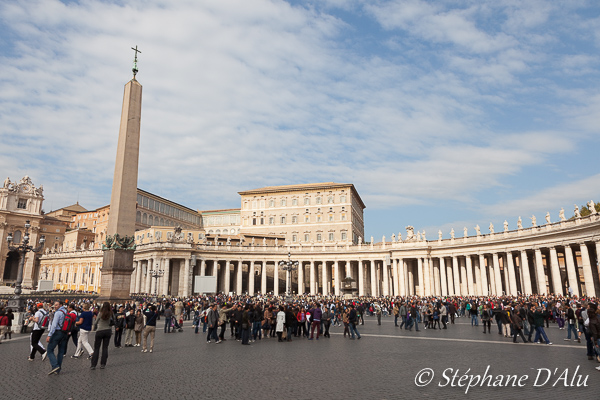
We head towards St. Peter's Basilica, but there are so many people that we give up the idea of visiting it today. The queue is huge and spirals around the place.
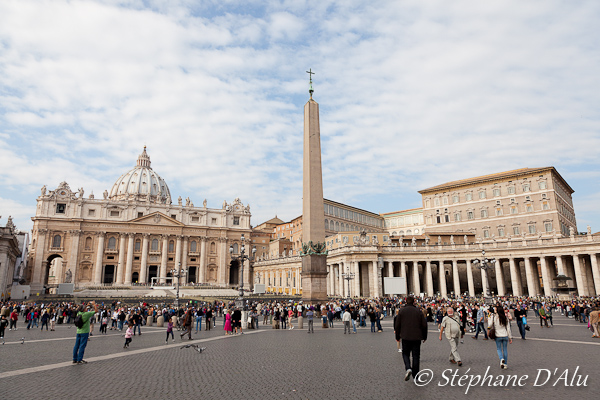
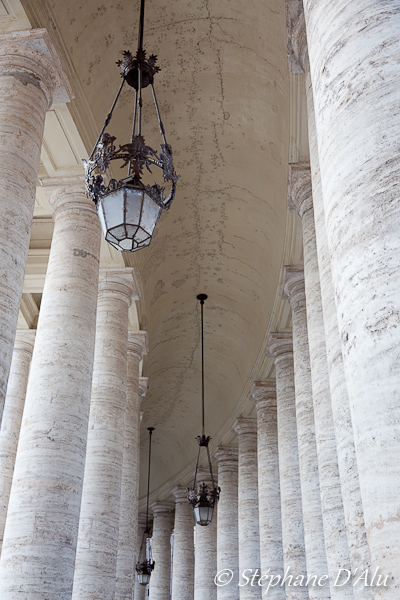
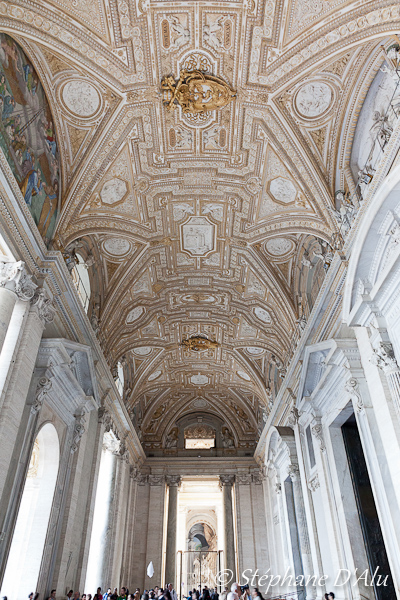
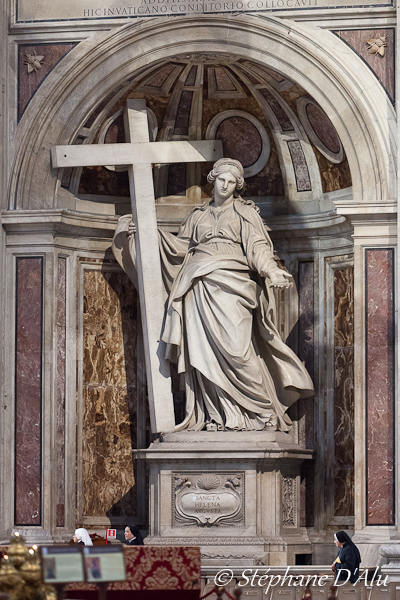
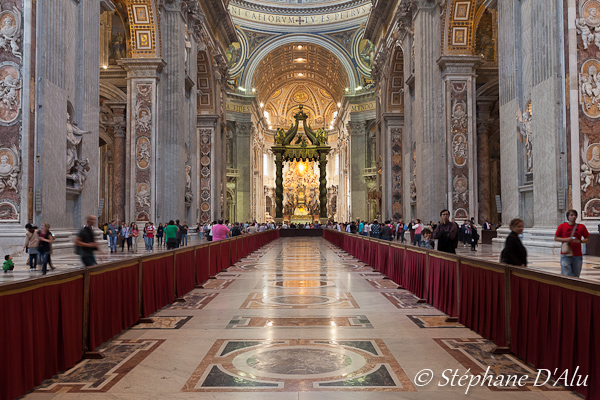
We move towards the Janiculum, the eighth
hill of
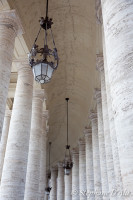
Rome, located south of the Vatican. Walking near St. Peter's
Square 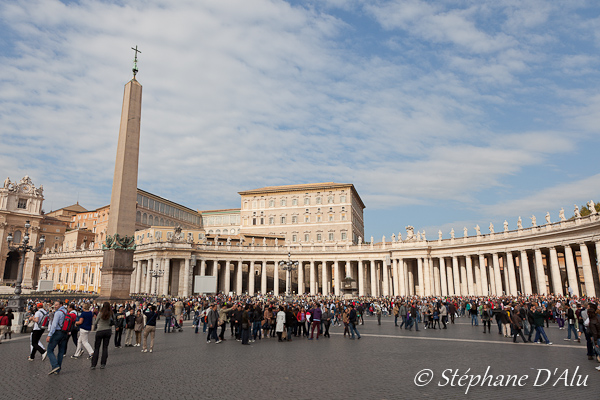
So, we change our plans, we queue up, we go through the
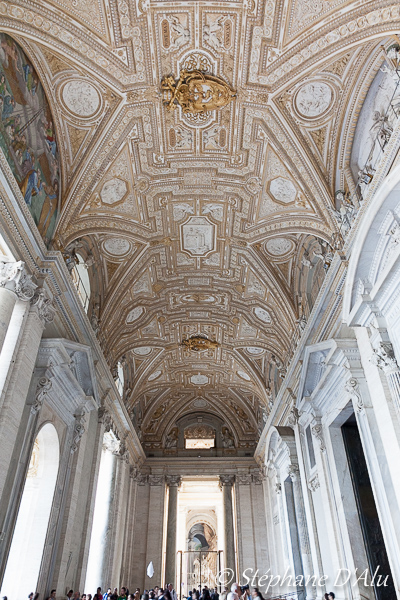
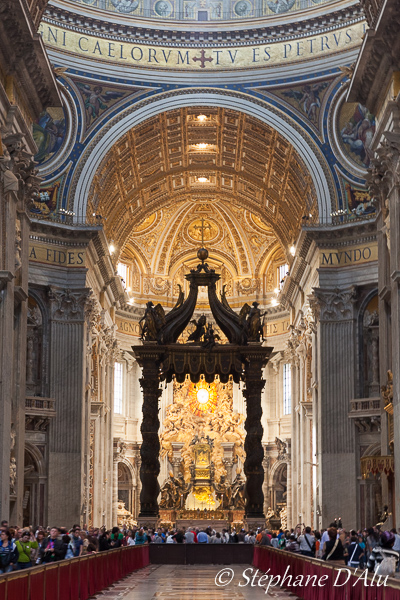
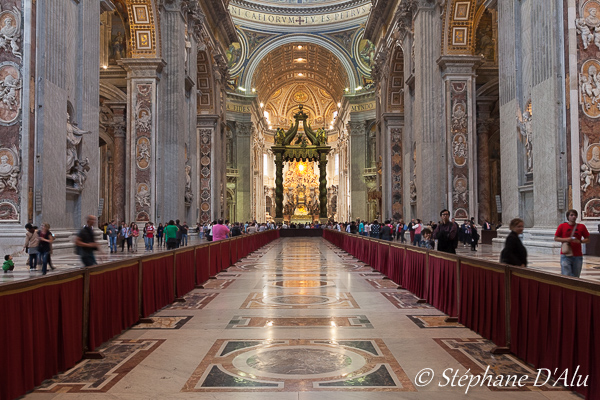
security gate (like at the airport!) and enter St. Peter's
Basilica 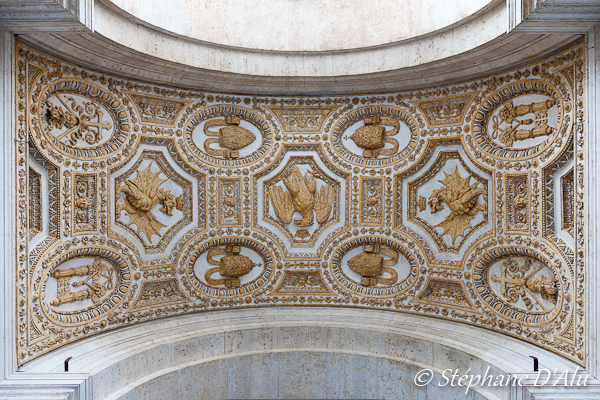
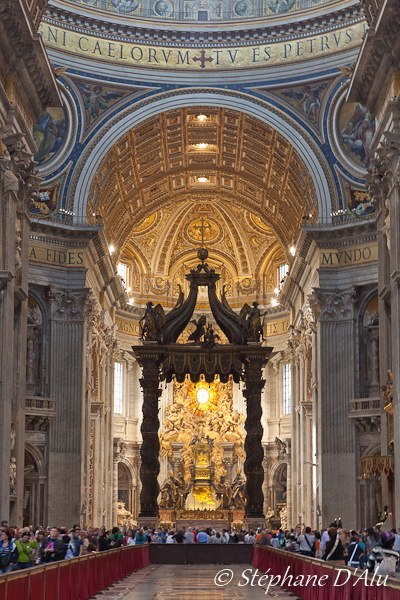
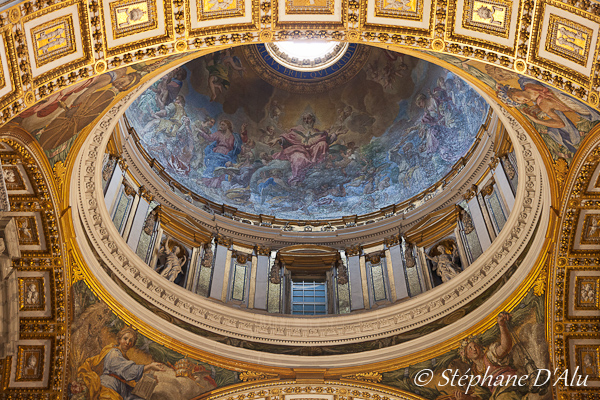
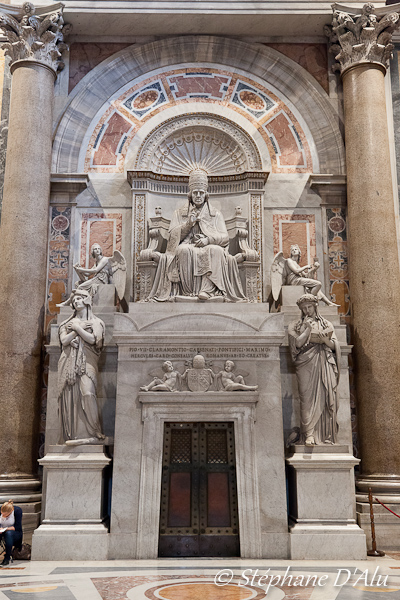
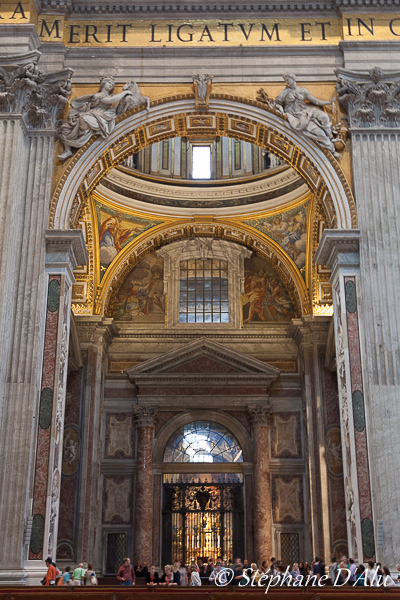
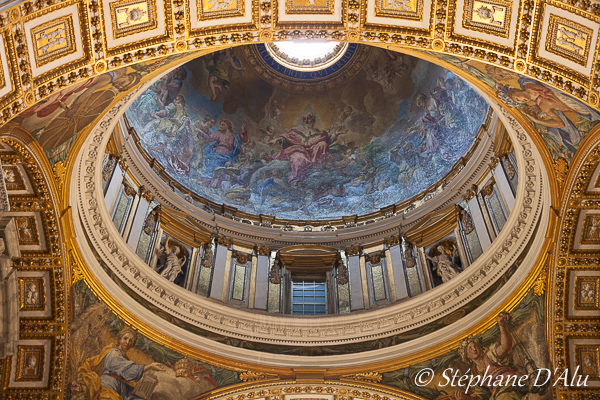
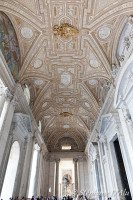
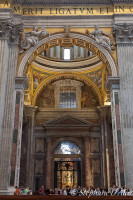
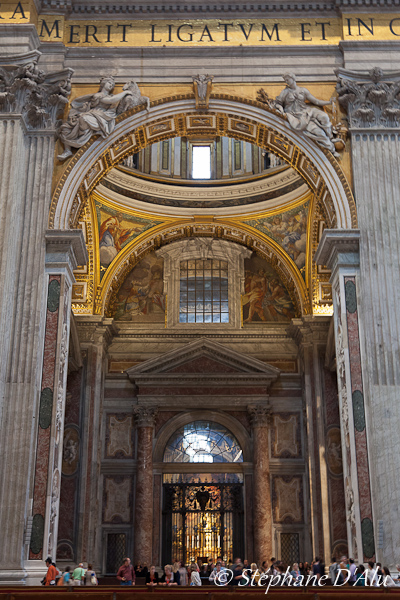
We move under the dome 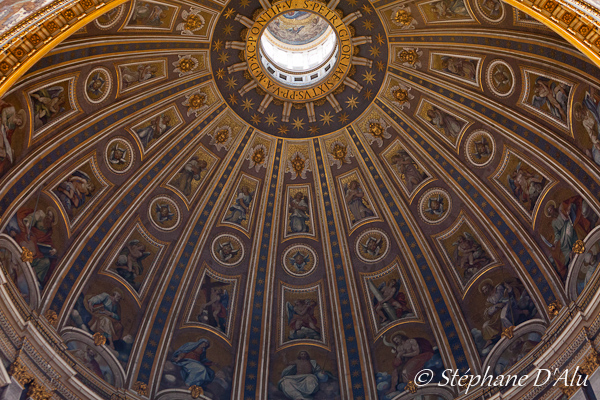
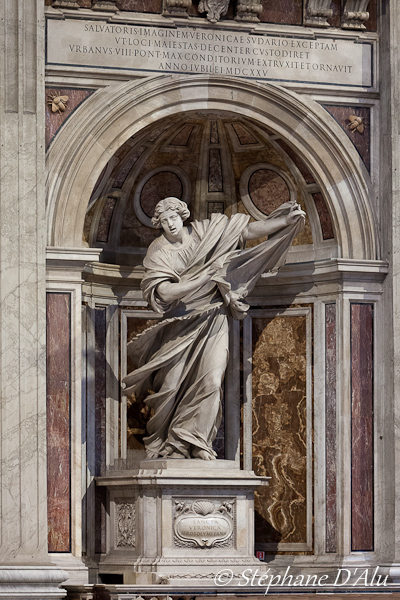
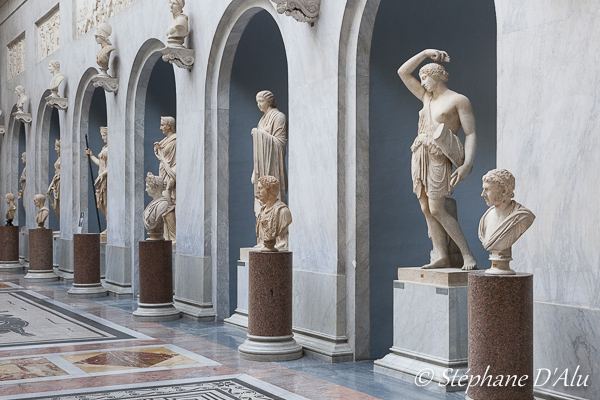
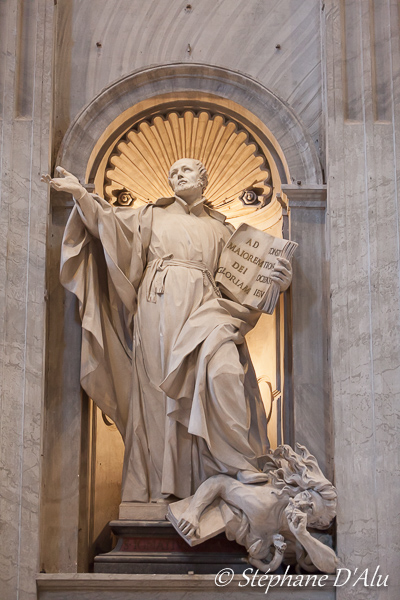
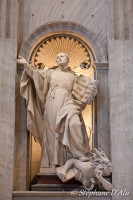
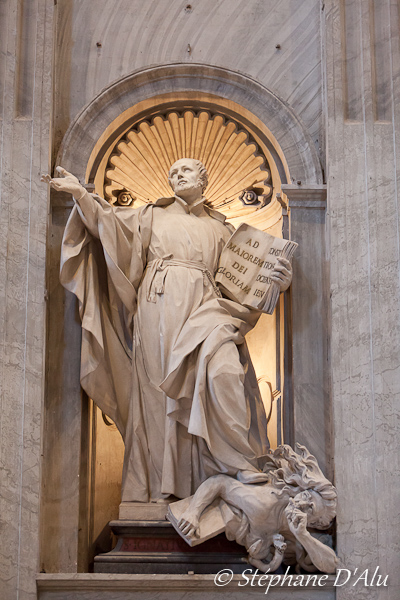
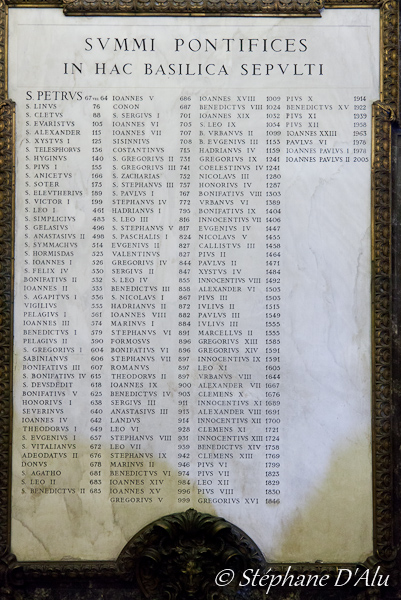
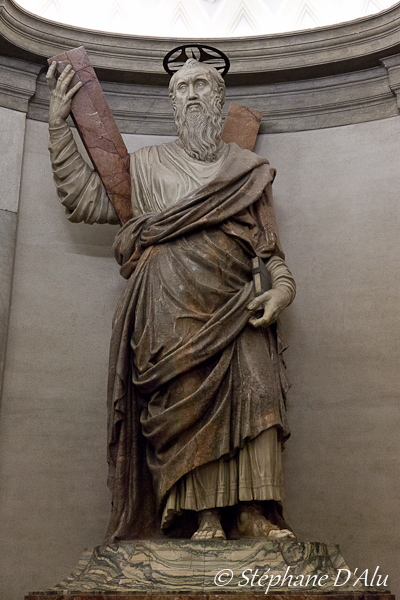
Huge statues are lining in the aisles 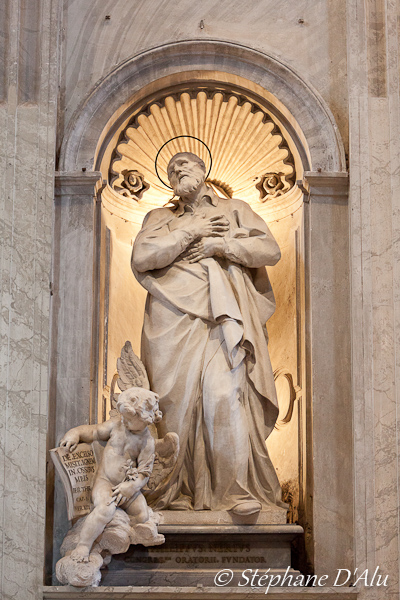
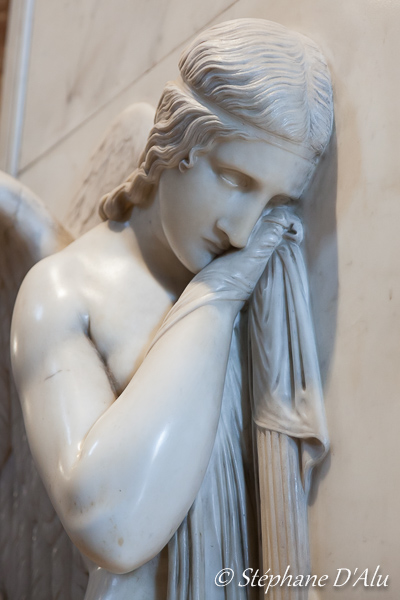
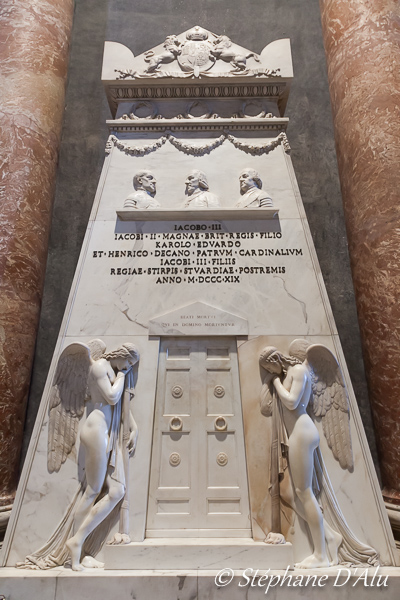
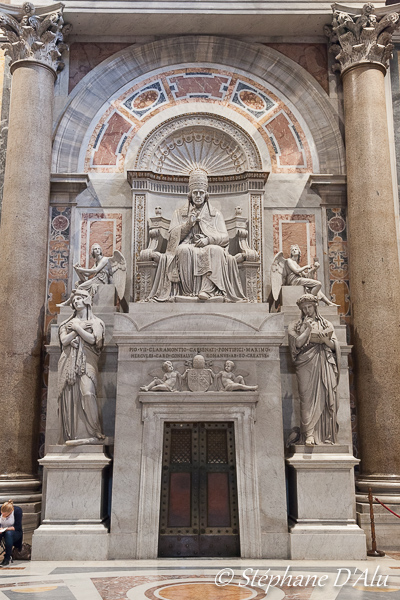
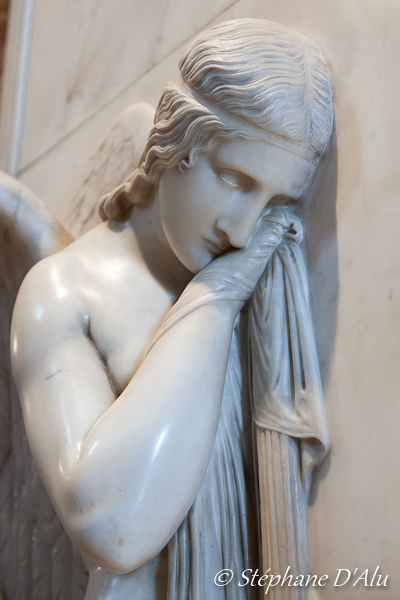
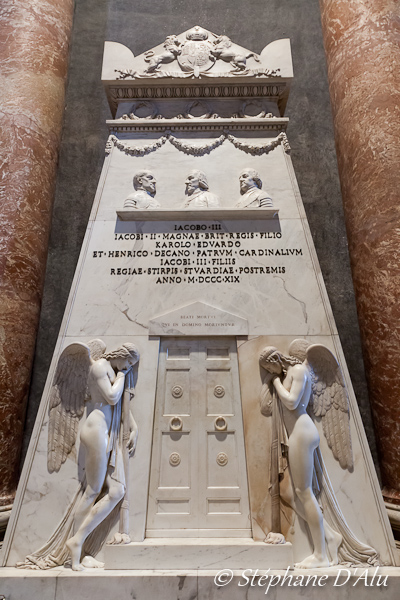
Near the exit is a huge monument in white marble
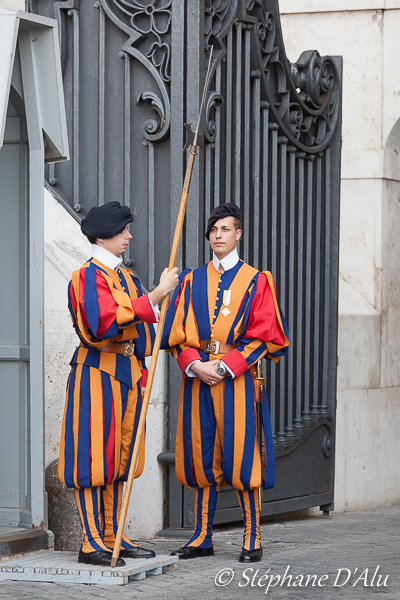
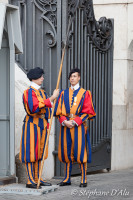
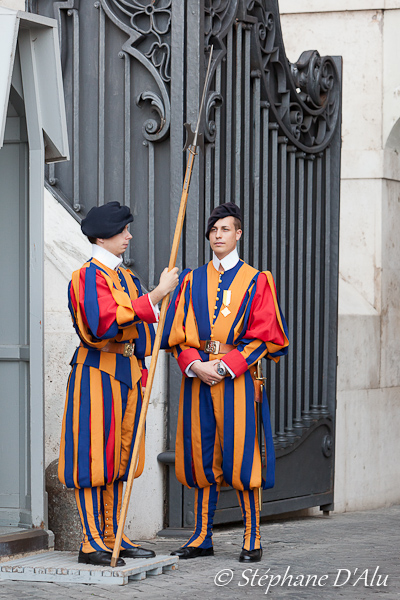
While we go out, we see Swiss gards, wearing a suit with blue,
red, orange and yellow strips. It is hard not to spot them with
their traditionnal suits 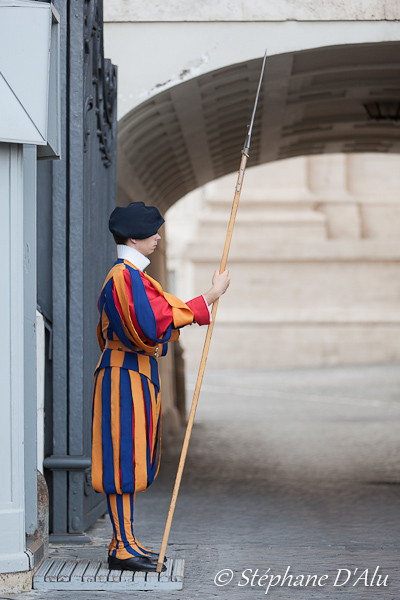
Queues are relatively lengthy and you must be patient and come with a good conversation subject to pass the time. It is unfortunate that the Vatican Gardens cannot be visited and that there is only one possible way through the Vatican Museums. The photographs are allowed except in one place: the Sistine Chapel. The guards take great care to ensure photographs are not taken, except when closing!
Visiting the Vatican is worth it for its commissioned masterpieces collected and preserved over time. Not to mention than visiting the Vatican is also visiting the smallest country in the world.
Galerie photos